This is an old revision of the document!
Smart Farm
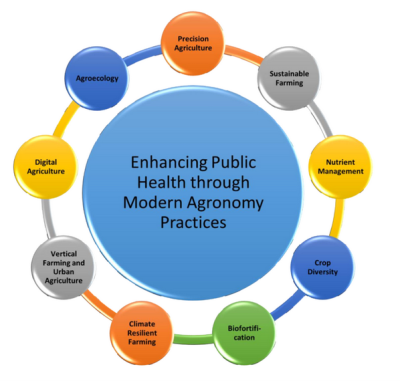
Smart farming, also known as smart agriculture or precision farming, is the use of technology and data analytics to optimize and improve farm operations and sustainability. This involves leveraging technologies like the Internet of Things (IoT), artificial intelligence (AI), and automation to gather real-time data and make informed decisions about everything from irrigation and fertilization to crop monitoring and livestock management. Here's a more detailed breakdown: Key aspects of smart farming:
  Data Collection and Analysis:
  Sensors, drones, and other technologies gather data on soil conditions, weather patterns, crop health, and livestock behavior.
Automation: Automated systems can handle tasks like irrigation, feeding livestock, and even harvesting crops. Precision Application: Smart farming allows for targeted application of resources like water, fertilizers, and pesticides, minimizing waste and maximizing efficiency. Real-time Monitoring and Control: Farmers can monitor their operations remotely and make adjustments as needed, based on data insights.
Benefits of smart farming:
  Increased Efficiency and Productivity:
  By optimizing resource use and automating tasks, smart farming can lead to higher yields and lower costs.
Reduced Environmental Impact: Precision farming minimizes waste and reduces the need for excessive inputs, contributing to a more sustainable agricultural system. Improved Animal Welfare: Sensors and automated systems can help monitor livestock health and well-being, ensuring they receive the care they need. Data-Driven Decision Making: Real-time data and analytics empower farmers to make informed decisions that lead to better outcomes. Enhanced Sustainability: Smart farming practices contribute to a more sustainable food system by reducing waste, conserving resources, and minimizing environmental impact.
Examples of smart farming technologies:
IoT-enabled sensors: Monitor soil moisture, temperature, and other environmental factors.
Drones: Capture aerial imagery of crops for monitoring and analysis. Autonomous tractors and other machinery: Perform tasks like tilling, planting, and harvesting with minimal human intervention. Farm management software: Integrates data from various sources and provides a comprehensive view of farm operations.